
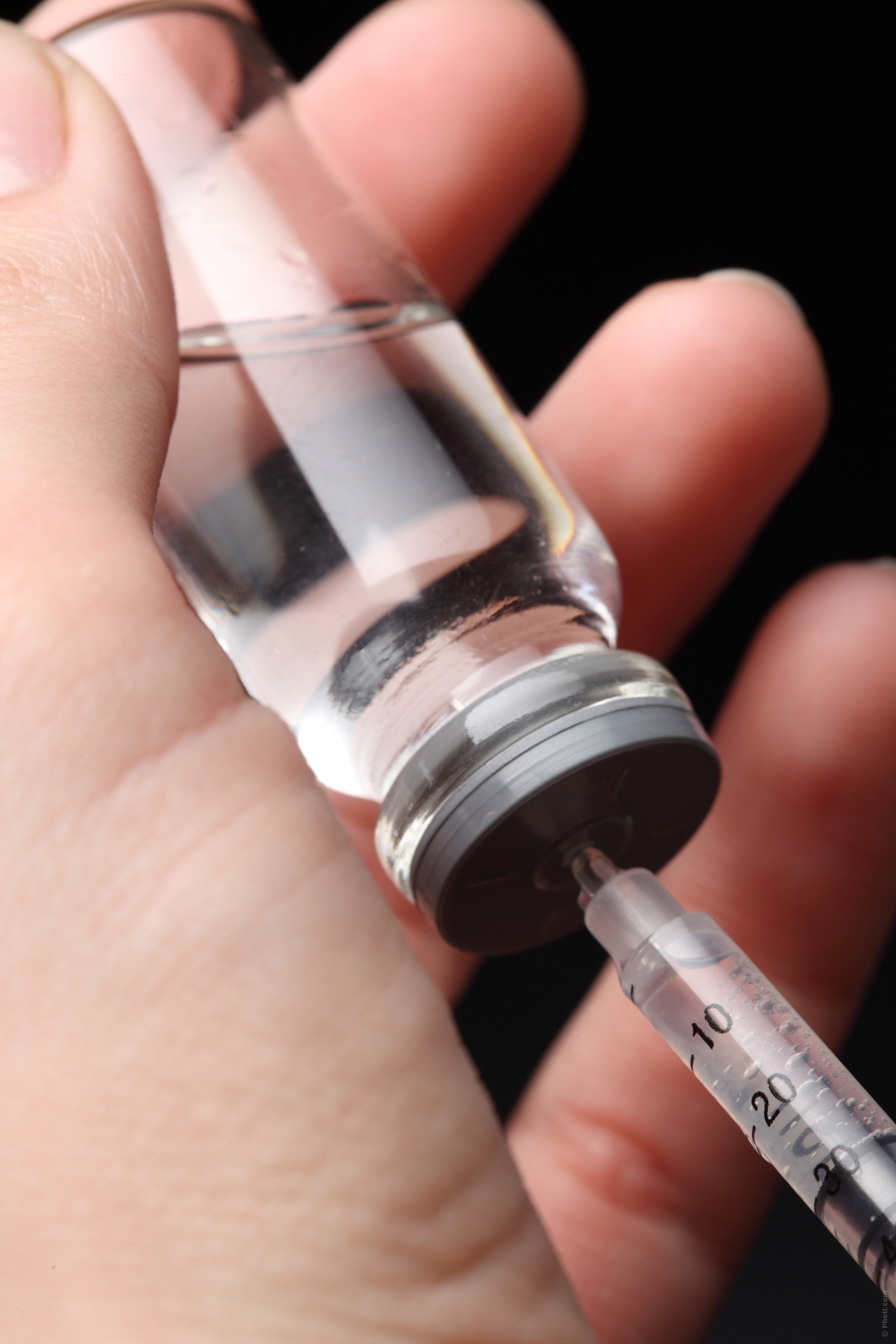
Vaccination creates active immunity, most often by injecting a stimulus — an antigen (attenuated, non-infectious viruses or bacteria, protein parts of them, or their products) — which leads to the production of antibodies and immune cells in the vaccinated animal’s body, protecting it from infection with the viruses or bacteria included in the vaccine.
Is it necessary for my animal?
Yes, it is essential! Vaccines protect against diseases that threaten your pet’s health and life. Some of the diseases we vaccinate against, such as rabies and leptospirosis, are zoonoses — they can be transmitted from animals to humans.
The vaccination schedules most commonly used here for dogs and cats are 2 or 4 initial vaccines followed by annual boosters. Annual dog vaccines are usually 6-valent, meaning they protect against six different diseases: parvovirosis, distemper, parainfluenza, infectious hepatitis, leptospirosis and rabies.
For cats, 3-, 4-, 5- or 6-valent vaccines are used, covering antigens of their most widespread diseases: panleukopenia, calicivirus, herpesvirus, chlamydia, leukaemia and rabies.
The annual kennel cough vaccine is also now widely used — a separate vaccine given nasally, without a needle, onto the nasal mucosa, creating local immunity.
In some breeds predisposed to the viral disease parvovirosis — Rottweiler, German Shepherd, Dobermann, Staffordshire Terrier, retrievers and others — an additional booster (beyond the first three vaccines) is needed at around 6 months of age. Hunting dogs need vaccination against leptospirosis twice a year.
For rabbits, a 1- or 3-valent vaccine is used twice a year.
Your veterinarian will determine the most suitable vaccination schedule based on your pet’s species, age and environment. A more precise method for deciding the type and frequency of vaccines is a blood test that measures the antibody level in the serum, on the basis of which the need for revaccination is decided.