
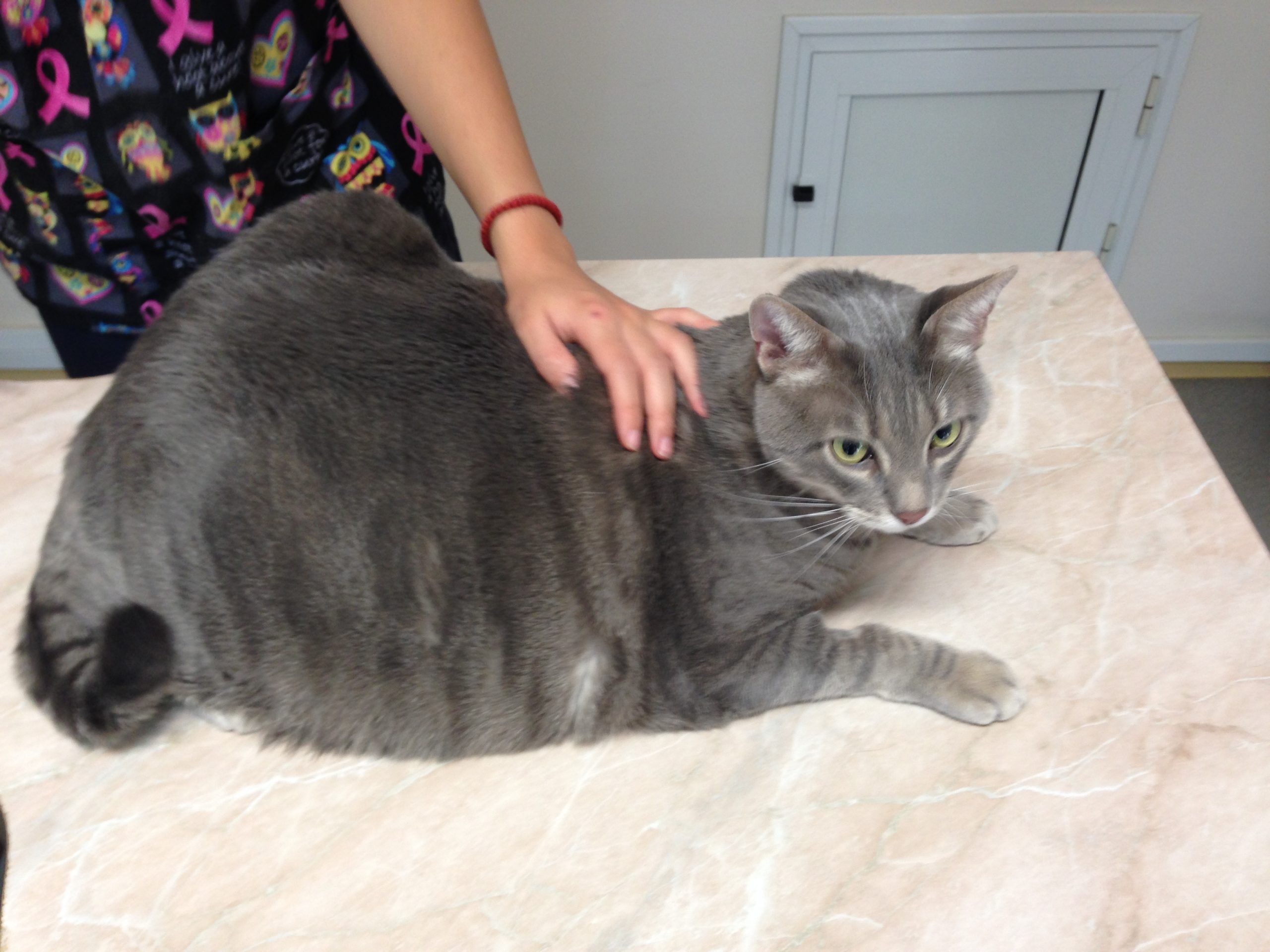
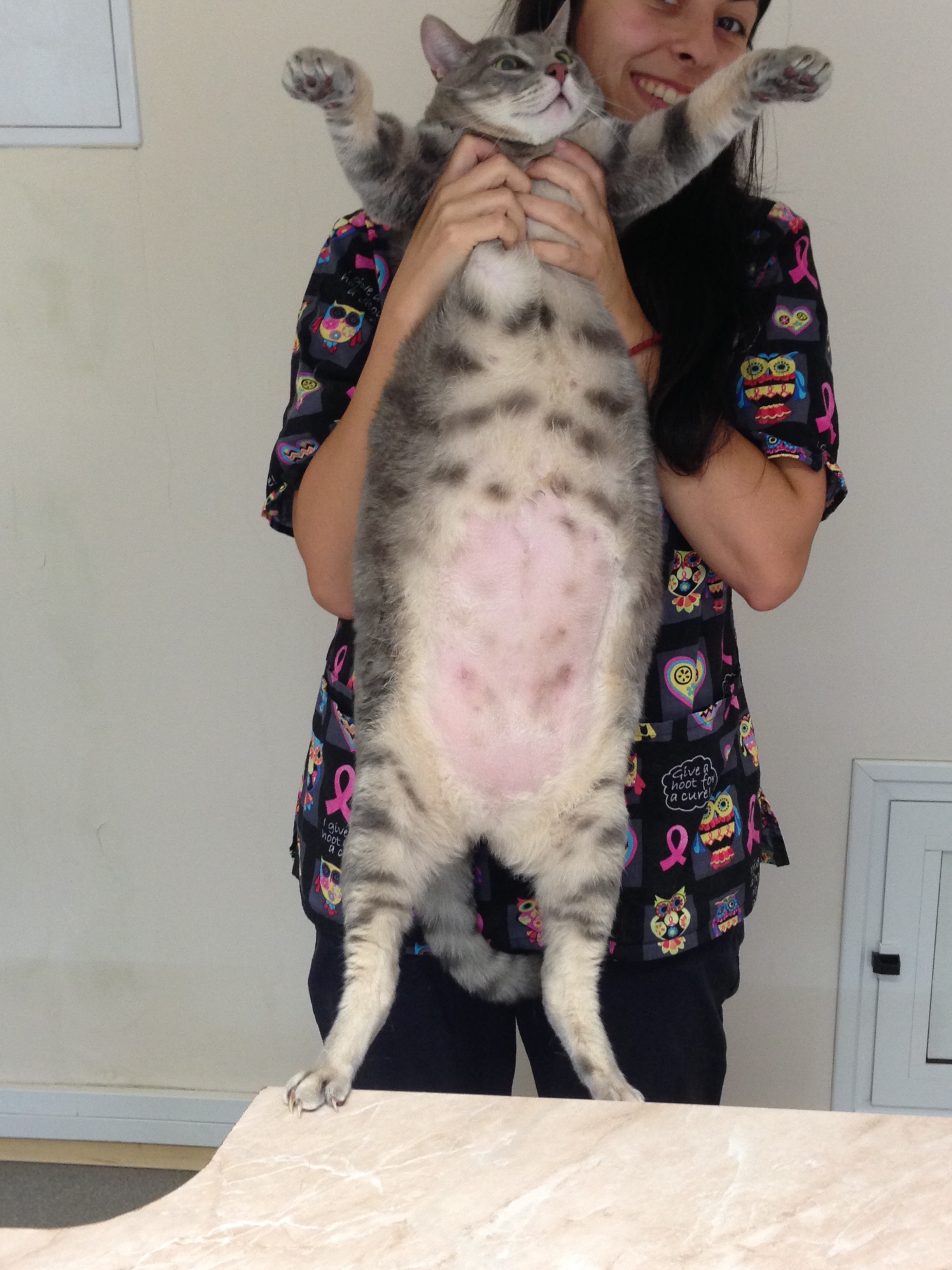
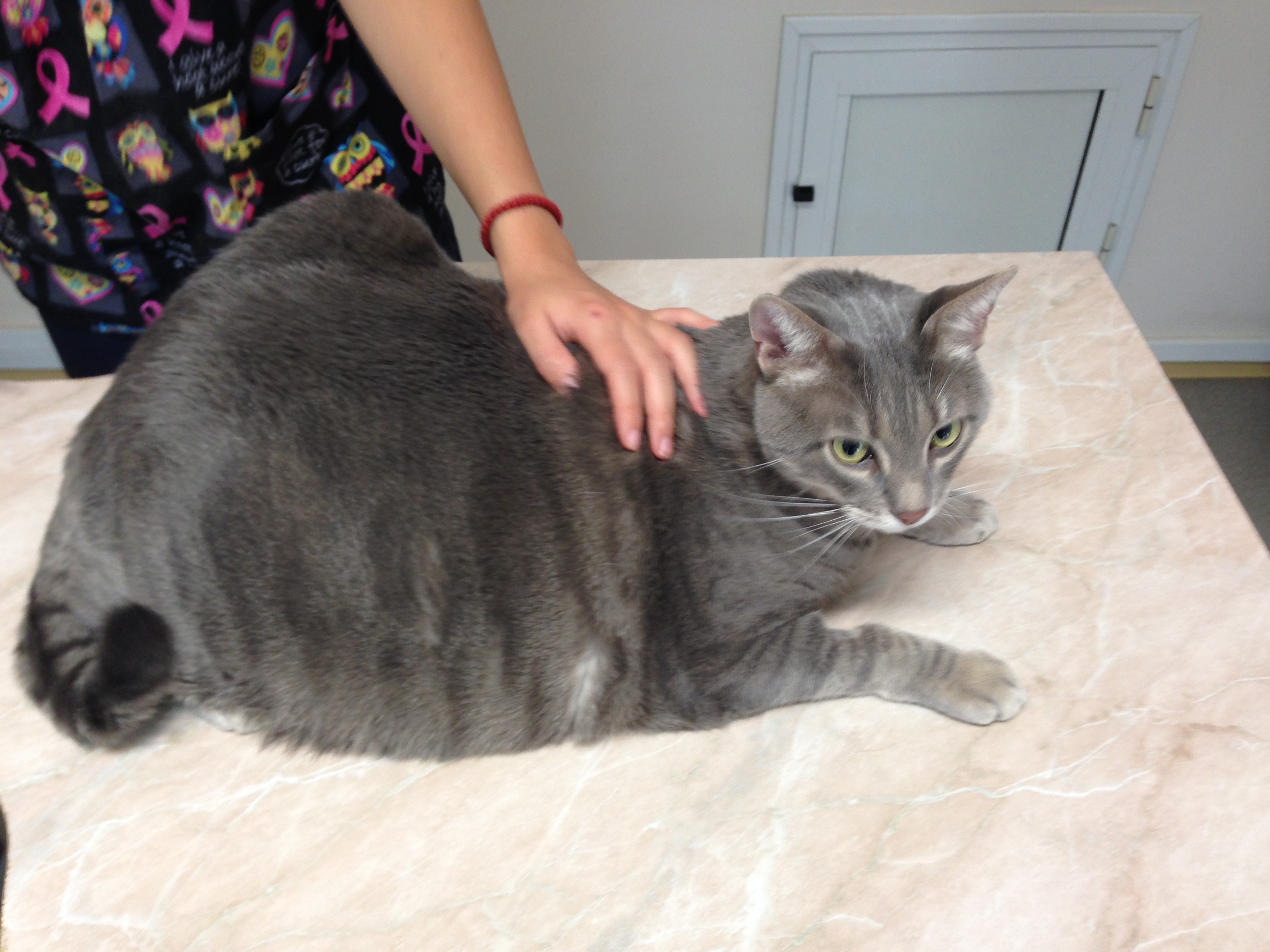
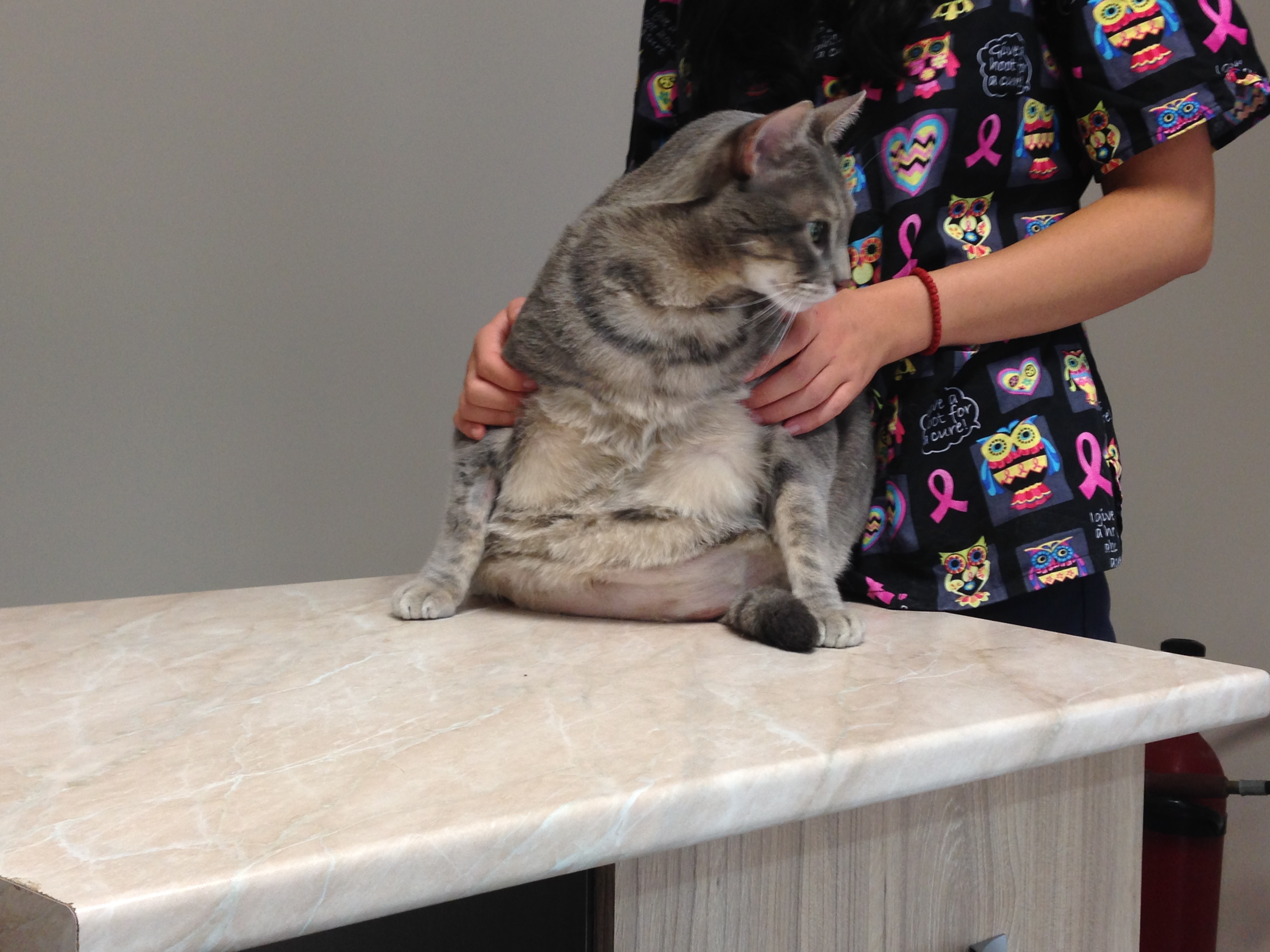
This is Ern — a tomcat with urethral obstruction, unable to urinate normally for a day. He was hospitalised at City Veterinary Clinic, a urethral catheter was placed for 72 hours, medical treatment was carried out, and he was then discharged for home treatment with medication and a special food for cats with urolithiasis. This time he was lucky: he recovered fully and avoided surgery.
Urolithiasis in domestic cats is a very common disease of the lower urinary tract, most prevalent in males. The most common causes are lack of exercise, obesity, stress, and a low-protein diet at the expense of food high in carbohydrates.
This is the moment to point out that quality dry food is NOT a cause of urinary stones (a widespread misconception among cat owners). The cause is low-grade food — whether dry kibble or wet tinned food — when it consists mainly of carbohydrates such as rice, wheat, maize and other grains. That is unnatural food for carnivores like cats: fed this way, the acidity of their urine drops to values typical of herbivores and becomes a favourable environment for the formation of crystals and urinary stones.
Treatment of an established urinary obstruction consists in relieving it — by catheterisation, puncture of the bladder, and in more severe cases surgery. Once normal patency of the urethra is restored, treatment continues with a special dietary food, agents correcting urine acidity, agents relaxing urethral tone, antibiotics if there is infection and severe inflammation, and anti-inflammatory and pain-relief medication.
Prevention of urolithiasis consists in quality food, maintaining optimal body weight, providing a calm living environment without unnecessary stress, and ensuring opportunities for physical activity.
Author: Dr Rosen Tsokev